




 Connect with us
By Kestér Kenn Klomegâh
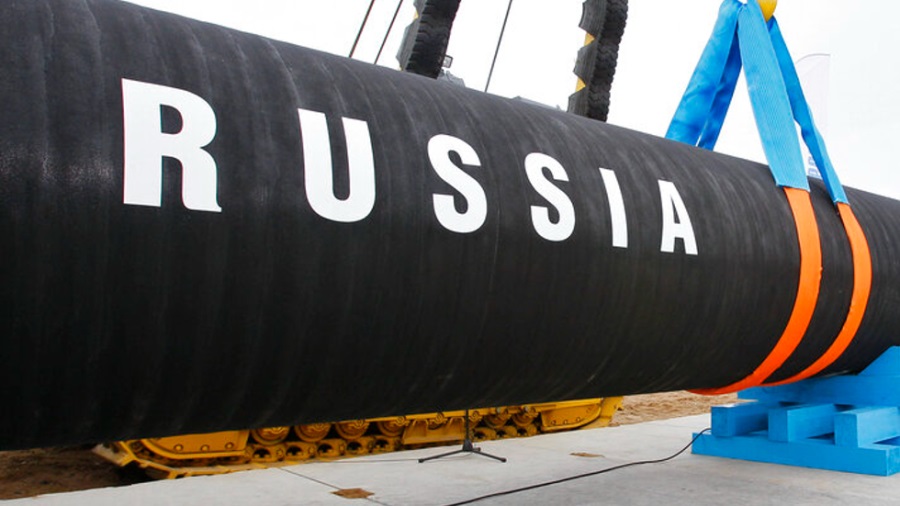
Several reports have criticised aspects of Russia’s policy, further identified pitfalls, and highlighted challenges and approaches toward Africa, even after its first symbolic summit in October 2019. The latest report titled ‘Ways to Increase the Efficiency of Russia’s African Strategy under the Crisis of the Existing World Order’ (ISSN 1019-3316, Herald of the Russian Academy of Sciences, 2022), co-authored by Professors Irina O. Abramova and Leonid L. Fituni, both from the Institute for African Studies (IAS), Russian Academy of Sciences.
According to authoritative sources, aspects of this report were presented at the RAS Presidium on February 9, 2022. The report is dedicated to a new configuration of the world order and the place of Russia and Africa in the changing world. The authors argued that it is time for Russia, which over the past 30 years has unsuccessfully sought to become part of the West, to abandon illusions and reconsider its foreign economic and foreign policy strategy, reorienting itself to states that are turning from outsiders into significant players in the international political and economic space and are willing to interact with our country on a mutually beneficial and equal basis.
Certainly, African countries are among such states. The strategies of old and new players on the African continent are analyzed, and the current areas of Russian-African cooperation in the short, medium, and long term are identified. The main mechanisms and tools necessary to intensify our interaction are revealed, including informational and financial-economic levers.
According to Professors Abramova and Fituni, the key area of Russia’s relations that could become attractive for African countries and contribute to the successful economic development of Russia may be the development of bilateral opportunities for technological partnerships. The modern world order is going through a stage of a very deep political, economic and humanitarian, and not yet global but already very dangerous local military crisis. The Russian special military operation in Ukraine has sharply accelerated the disintegration of the unipolar world led by the United States. Although the outlines of the emerging new world order are already visible, they are not quite definite to date. Multi-polarity, as a possible model of the new maturing world order, urgently needs a system of bilateral and multilateral geo-strategic checks and balances that could exclude or minimize the danger of a global armed conflict.
At the same time, it seems to be the most acceptable option for rebuilding the world for most countries and people since it opens opportunities for establishing a more just world order that will account for the interests of the widest possible range of members of the world community. Against this background, the relative importance and role of the regions of the world as zones of conflicts of interest of the participants in the renewed rivalry are being reassessed.
As is known, the global centre of economic power is gradually shifting from the West to the East or, depending on the coordinate system, from the so-called North to the South. In the context of long-term global trends, the conditional West, perhaps for the first time in the last 500 (and certainly 300) years, is facing the prospect of a gradual transformation into a relative periphery. This means that even within the current market model, in the not-so-distant future, the bulk of global production and the bulk of global consumption will shift from the northern Euro-Atlantic to the south and east-to Asia, Africa, and Latin America.
In the market model, this means that the manufacturer will adapt not to the tastes and needs of the conditional Europeans (including Americans, Canadians, and Australians) but to those of Asians and Africans, who are included because, at present, most representatives of the middle class, which supply the main demand for goods and services, live in the Asian region, but from around 2040, according to UN calculations, the growth of the middle class will occur not at the expense of Asia but at the expense of Africa, while the impoverishment of the middle class of Europe and the United States has already begun.
Of course, we do not mean a one-shot or instantaneous (in the historical sense) change. Yet these are real deep transformations that are already taking place in what, applying Marxist terminology to the modern globalized world, could be called the global base. These transformations will inevitably entail changes in the global superstructure, that is, in the Western-centric world order that dominates now. These are changes in politics, culture, worldview, and the system of values, which are manifested in the rejection of the unipolar world and the methods of colonial domination and subjugation that it imposes.
In real life, this is a slow and complex process, which proceeds with different speeds at different stages, often in zigzags. Today no one doubts that the modern East and South (and this is not only China or India but also many other countries, including African and Latin American ones) are the producers of the main part of resources and goods, especially basic ones, that is, those without which large-scale real production in any part of the world, including in developed countries, is impossible. Moreover, the real (not virtual) process of expanded reproduction is also extremely difficult without these resources and goods.
Yet the economic role of the West, especially in advanced areas, is far from exhausted. However, today it is not this role that determines the model of its behaviour: the meaning of its efforts, including economic ones, is to prevent the loss of its influence and control over the flows of world wealth. The West is trying to preserve its positions and habitual lifestyle using superstructural elements, namely, those levers of influence that it still has military, financial, administrative, informational, cultural, and value-based.
For the Euro-Atlantic bloc, Africa appears primarily from the point of view of the forecast prospects for global economic development and resource and military-geopolitical components. All three aspects are viewed through the prism of rivalry with the main competitors-China and Russia. At the same time, the West is closely monitoring the growing activity and influence in this region of second-tier rivals – India, Brazil, Turkey, Iran, the Arab states of the Persian Gulf, South Korea, and others, some of which it is trying to control by turning them, at least, into situational allies but strategically retained as an exploited periphery.
Under these conditions, the main task of the policy of the collective West in Africa is to maintain and strengthen its economic, political, and military influence using both traditional and new post-neocolonialist methods, as well as to avoid the challenges and threats associated with the African continent. Note that the strategy of the Western powers in Africa has certain specific traits. The US strategy on the African continent, announced in 2018 by the Trump administration and practically unchanged under J. Biden, has been based on opposition to China and Russia and their removal (in the case of China) or non-admittance (in the case of Russia) to the African region.
In the context of Brexit and the implementation of the concept of Global Britain, the United Kingdom has seriously attended to the development of strategies for assimilating markets other than the EU ones and compensating for the falling part of the state budget and private business revenues by activating the African vector of its policy. The shaken authority of France in African states, primarily in ensuring their security and combating terrorism, has prompted the French authorities to adapt to the new conditions, striving for maximum savings in the exploitation of African resources and actively using such instruments of influence as albeit significantly weakened but still systemically significant, dominance in both zones of the African franc and cultural and linguistic influence on education, science and youth education within the framework of the Francophonie project.
In Germany’s Africa strategy, the main role is assigned to the private sector, especially medium-sized businesses, which generate consistently high profits for themselves on the continent and will have to provide the bulk of investment and create jobs for the local population (unlike China, which actively imported its labour to Africa). Note that the German state seeks to contribute to the creation of a favourable working environment for its entrepreneurs through investments in African education, health care, and infrastructure. Italy’s current foreign policy on the African continent is focused primarily on North Africa. The Italian government has been paying attention to sub-Saharan Africa only since 2013. The role of Italy in Africa has decreased compared to the 1980s in areas such as foreign trade, development assistance, and participation in peacekeeping activities.
In recent years, however, Africa has somewhat grown in importance as a market for Italian weapons, as has the presence of Italian nongovernmental humanitarian aid organizations on the continent. In a number of countries, including those in Tropical Africa, Italian firms retain strong positions in the field of exploration and development of the continent’s hydrocarbon resources. As for new non-Western players, they build their cooperation on other principles, far from the domination-submission model.
India is developing cooperation with Africa along the South-South line, that is, strengthening economic and other ties with African states on mutually beneficial terms, which is fundamentally different from the North−South format that developed in the colonial era. In general, noteworthy is the high degree of geographical (mainly the east coast and southern Africa) and historical and cultural (English-speaking countries, former British possessions) concentration of Indian business activity.
Turkey politically focuses on the joint defence of the national identity of both Turks and Africans, which is under threat due to the ideas of globalization promoted by the West and the imposition of values alien to the East and Africa. In the economic sphere, Turkey is actively expanding its exports to Africa, implementing many projects for small and medium-sized businesses, and rapidly developing air links with the continent. Turkey has become the main hub for the movement of passengers from Africa to Europe and the United States. Turkey is also intensifying military and technical cooperation with the countries of the continent, primarily the Mediterranean ones and the countries of the large region of the Horn of Africa.
In addition, in recent years, there has been an active, albeit still pinpoint, search for opportunities to use the religious factor in the Muslim countries of Africa, in which Turkey did not previously show interest. Brazil, like India, is establishing South-South cooperation with Africa within the BRICS and IBSA formats (forum of India, Brazil, and South Africa). This largest Latin American country is currently moving from a policy of predominant interaction with the Portuguese-speaking countries of Africa to cooperation with all African states, primarily in the mining industry, agriculture, and the development of transport infrastructure.
In determining its strategy in the African direction, it is the experience of China that is especially interesting for Russia: after the collapse of the Soviet Union, China took and strengthened the positions that the Soviet Union had held in Africa and even significantly expanded them. Having intensified economic cooperation with Africa, turning African countries into a guaranteed market for its products with more than a billion consumers, China in the 1990-the 2000s raised its industry and mass production precisely at the expense of what the “foremen of perestroika” and the ideologists of the 1990 reforms declared as the main burden for the Soviet Union. In the 2010s, China became the main trade and economic partner of African states. That required a deliberate and consistent effort, retraining or removal of those who hindered the achievement of real success for bureaucratic, parochial, or corrupt reasons or simply could not work in the African direction.
At present, Beijing is consistently building global value chains which offer African producers a significant role. Such a policy is built into the strategic plans for the socioeconomic development of China itself and the implementation of its global projects, which fundamentally distinguishes it from the strategies of other countries. The ultimate goal of the ongoing efforts should be the creation of a Chinese-African “community of common destiny” in the new era.
At the latest ministerial conference, held in December 2021 in Senegal’s capital Dakar, Chinese President Xi Jinping made four proposals to African participants: to show solidarity against the pandemic, to deepen pragmatic cooperation, to promote “green development,” and to uphold honesty and justice in the international arena. The Chinese leader recalled that, prior to this meeting, a joint document, The 2035 Vision for China-Africa Cooperation, had been adopted and had announced Beijing’s plans for the first three years. China plans to implement nine programs in the following areas: health care (in particular, China will provide one billion doses of vaccines, implement ten medical projects, and send 1500 medical specialists to Africa); poverty alleviation and agricultural development (ten projects); trade (China plans to increase the imports from Africa to $300 billion, open a green corridor for African agricultural exports to China, and allocate $10 billion to support African exports to China); investment (it is planned to increase direct investment in Africa by $10 billion over three years, create a China-Africa platform for encouraging private investment, allocate $10 billion to support African financial institutions, create a China-Africa center for cross-border operations in yuan, write off part of the debt of the poorest African countries, and transfer to African countries an additional amount of special drawing rights (SDR) of the IMF in an amount of $10 billion); digital innovation (ten projects); green development (ten projects: support for the Great Green Wall of Africa project, etc.); human potential (funding projects in the field of education and training, the creation by Chinese companies of at least 800 000 jobs for the local population); cultural and humanitarian contacts (including the creation of new centers for culture and the study of the Chinese language); and peace and security (ten projects: providing military assistance to the African Union, training military specialists, etc.)
Even a brief listing of all these programs indicates the seriousness and depth of China’s strategic vision of its cooperation with the African continent in the coming years. A general analysis of the above-mentioned strategies in the African direction leads to the conclusion that it will not be easy for Russia to compete in the geo-strategic battle for Africa with other players, both old and new. Many may even wonder if we have any chance at all in this fight. In the report authors’ opinion, to answer this question, it is necessary to analyze Russian-African relations in recent years, identify the main problems and the mistakes that have been made while interacting with African partners, and determine those areas of cooperation that are of mutual interest and in which Russia has a clear competitive advantage.
In addition, it is necessary to ask ourselves: Do we, in the current conditions, have the right not to take advantage of the opportunities that Africa opens for our economy and security and ignore them only because obtaining these advantages requires responsibility and expenditure of effort and resources, as well as an initiative?
After the collapse of the Soviet Union, which had viewed interaction with the African continent as a major component of its foreign policy, Russia, despite the colossal efforts and funds invested in the development of Africa, practically curtailed relations with African states; this was done clearly purposefully by the people who headed our foreign policy and foreign economic departments at that time and were mainly oriented towards the West. Under the slogan “Stop feeding Africa!” they, in fact, did not allow our country not only to take advantage of real dividends on Russian investments (about 300 industrial enterprises; more than 1000 infrastructure facilities; hundreds of educational, scientific, and cultural centres built in Africa by the Soviet Union; the friendly Russian-speaking African political and economic elite trained in Soviet universities; etc.) but also agreed, under pressure from the Americans and their satellites, the former colonial metropoles, to write off more than $20 billion of African debt to our country on extremely unfavourable terms for Russia.
In addition, informal cultural centres and coteries of the Russian language used to appear at almost all significant objects of Soviet−African cooperation) and bureaus of the Russian media. The number of African students studying at Russian universities also drastically decreased. Thus, according to the Ministry of Education and Science, in the 2018–2019 academic year, only 2066 candidates from 52 African countries were enrolled. The new African elite is being trained today in Western European, American, and Chinese universities and is becoming a conductor of interests that are by no means Russian.
In other words, in the 1990s, not only were the economic foundations destroyed, but so was the entire infrastructure of our cooperation with Africa, including the humanitarian sphere – science, education, culture, and the system of values. It is no secret that, in the modern world, information has begun to play an increasingly important role. Virtual reality, in fact, practically forms a living reality; in any case, it has a colossal impact on the latter.
Under these conditions, the role of the media in building our relations with Africa is of paramount importance. We have already said that Russia practically curtailed its information network in Africa. Fragmentally, our news agencies are present there, for example, TASS and Sputnik (TASS has only five representative offices in Africa – in Egypt, Morocco, Tunisia, Kenya, and South Africa, while Sputnik and Russia Today have none), but as a rule, they are both understaffed and underequipped; they cannot withstand competition from the Western and Chinese media and do not broadcast in African languages. In addition, we do not work at all on African social networks, which are very popular among young Africans. Hence, Africans draw information about Russia, often distorted or even false, from Western sources. Africa is practically absent in the Russian information space, and news about the continent is predominantly negative, sensational, or ironic, in most cases demonstrating a low level of general education and erudition of Russian authors, not to mention their understanding of African realities.
We analyzed news stories on the African agenda for one week (January 18−24, 2022) and obtained the following disappointing results. Today the Russian media demonstrate an extremely low level of coverage of key events taking place in Africa. This indicator reached 0.7% of the total feed of the leading Russian media (Interfax, RIA Novosti, TASS) in the period under study. For comparison, news related to the United States, on average, occupied 14.6% of the entire news feed and news related to China, 1.4%. At the same time, during the week-long period of the study, events took place in the countries of the African continent that are of particular importance for both Russia and the whole world, including a military coup in Burkina Faso; contacts of the current leadership of Mali with private military companies created by Russian citizens, as mentioned by Foreign Minister S.V. Lavrov, and the conflict between the Malian authorities and partners in military cooperation from the EU countries; disagreements between the Church of Alexandria and the Russian Orthodox Church due to the decision of the Holy Synod of the Russian Orthodox Church to form the Patriarchal Exarchate of Africa; hosting the African Cup of Nations football et cetera.
For example, the Russian media discussed the political events in 43 news articles in various editions, and another nine publications presented the position of the Russian Ministry of Foreign Affairs on this issue. For comparison, the story about the evacuation of British diplomats from Ukraine was men2 For the calculations, statistical data of the Yandex News service was used, where 7685 information partners sent their materials (including all the main federal and regional domestic media).
It is especially noteworthy that, in the Russian media, on average, more than 75% of the news about Africa is negative. The countries of the continent often appear in the news in the context of military and religious conflicts, serious economic problems, poverty, the spread of dangerous diseases, etc. Therefore, the African agenda is on the periphery of the domestic information space. Even though the key news of the continent fragmentarily falls into the feeds of the Russian media, as a rule, they do not constitute news stories or rubrics (consisting of several articles) that could help to form a comprehensive, dynamic public opinion about the situation in that macro-region. Information about Africa is often not only insufficient and pointwise but also has a one-sided negative connotation. That is why even events of significance for the Russian Federation that takes place in Africa quickly fall out of the domestic information space. As a result, the Russian public and even the professional community, which includes the political, economic, and scientific elites, are forming an utterly wrong idea about modern Africa, which is associated with concepts such as poverty, under-development, hunger, illiteracy, coups d’état, dictators in power, terrorism, armed conflicts and wars, piracy and hostage-taking, illegal migration and refugees, corruption, etc.
In addition, the Russian elite demonstrates a somewhat arrogant attitude towards Africa. We have often heard the phrase “We (that is, Russia) are not Africa” from high-ranking officials. Meanwhile, for the purpose of so-called deterrence, colonial methods are being very successfully applied to Russia today, which were once applied to African states. We mean such tools as dependence on Western goods and technologies; sanctions; bribery and corruption of political, economic, and intellectual elites; attempts to change objectionable authorities through mechanisms of internal social protests, primarily relying on young people and even children; encouragement of brain drain; the imposition of the Western value system and the erosion of national identity, including the narrowing of the use of the national language; the formation of a colonial type of thinking; and so on and so forth.
In this sense, the study of the African experience can significantly help us in overcoming our own mistakes and solving the problems of accelerated development of the economy and the social sphere. Despite the thoughtless imposition of the idea of Africa as the most backward and problematic region of the world in Russian public opinion, qualified Africanists, including Western experts, call Africa the continent of the 21st century, attributing this to the stable growth rates of the African economy over the past 20 years and the colossal resource and human potential of the African region. It makes no sense to argue that African countries and their inhabitants are, on average (but by no means all!) poorer than many countries in the world. However, in terms of profitability, prospects, and security for Russian businesses since March 2022, they are preferable compared to Western countries.
Africa’s average annual GDP growth rate over the past 20 years has been higher than that of the world as a whole, which has allowed the continent to increase its share of world GDP, although it remains quite low. Recently, however, experts have begun to form the opinion that the very methodology for calculating GDP is based on indicators that do not reflect the actual situation in the world economy in terms of owning real wealth and producing real values. Based on these indicators, the role of Africa in the world economy is growing significantly. Thus, among other regions of the world, Africa ranks first in the reserves of manganese, chromites, bauxites, gold, platinoids, cobalt, vanadium, coltan, diamonds, phosphorites, and fluorite; second in reserves of copper, asbestos, uranium, antimony, beryllium, and graphite; and third in the reserves of oil, gas, mercury, and iron ore. There are also significant reserves of titanium, nickel, bismuth, lithium, tantalum, niobium, tin, tungsten, and precious stones.
Most of the minerals listed are necessary to produce modern high-tech goods for a wide range of purposes, which makes the strategic dependence of many participants in the world economy on their regular supplies very significant. For example, dependence on chromium supplies from Africa reaches 97% in the United States, 62% in the EU countries, and 84% in China. For cobalt, these figures are 71, 82, and 100%, respectively. The share of the African continent in manganese imports is 79% for the United States, 68% for the EU countries, and 67% for China. China also receives 86% of its copper needs from Africa. The EU countries import from Africa 63% of their aluminium raw materials and 58% of their titanium, while China imports 49% and 50%, respectively. The share of African uranium supplies is 27% for the United States, 35% for the European Union, and 36% for China. More than half of all EU imports of metals such as niobium, tantalum, vanadium, and zirconium come from Africa. In the United States and China, the corresponding indicators are 43 and 49%. Thus, a significant number of Western and Chinese industrial enterprises producing modern high-tech goods, including those related to military production, simply cannot function without the supply of African raw materials.
As for Russia, according to RAS Academician N.S. Bortnikov, a prominent Russian mineralogist, it is experiencing an acute shortage in metals such as uranium, manganese, chromium, aluminium, zirconium, beryllium, lithium, rhenium, and rare earth metals of the yttrium group. In ten years, it will be short of lead, antimony, gold, silver, diamonds, and zinc as well. Most of these minerals are present in Africa, and the cost of their extraction is rather low, which will allow us to consider the development of African resources (if it is economically viable compared to the development of our own deposits, if available) as one of the important ways to overcome the shortage of critical strategic raw materials.
Modern Africa is gradually becoming both a significant consumer market and a supplier of labour for the global economy. Africa’s population already exceeds 1.2 billion and is growing at the fastest rate in the world. According to UN forecasts, in 2050, more than a quarter of the world’s population will live in Africa. Today, 60% of this population are young people under the age of 25, and it is young people who provide the demand for modern goods and services. According to the United Nations, from 2040, two-thirds of the growth in global labour will come from the African continent. The consumer market in Africa doubles every five years, and the growth rate of the middle class, which forms the basis of demand for modern goods and services, already exceeds the corresponding indicators of Asian states.
In addition, over the past 30 years, Africa has managed to halve illiteracy to 34%, while some developed countries (for example, the United States) demonstrate the opposite trend. Thus, according to some data, 43 million Americans cannot read and write. Of great importance for the successful development of the African economy is the development and deepening of integration processes, which can unite the material and human resources of African states that were once separated by borders artificially drawn by the colonial authorities. A landmark event in the development of the African continent, comparable only to the creation of the WTO, was the signing of an agreement on the establishment of the African Continental Free Trade Area (AfCFTA) on March 21, 2018 (at the emergency summit of the AU heads of government in Kigali, Rwanda). If successfully implemented, this project will lead to the emergence of the largest free trade zone in the world in terms of the number of participants, with a market uniting the population of 55 member countries of the African Union.
Africa has the highest digitalization rates in the world. Few people know that the world’s first online payment was made in Kenya. Today, online payments predominate in most African countries. Rwanda has announced the rejection of the use of cash. In Nigeria, the largest African country in terms of population, payments are already being made in electronic naira. Cryptocurrencies are rapidly spreading on the continent. A recent report from the blockchain data platform Chainalysis showed that between July 2020 and June 2021, Africans received $105.6 billion worth of cryptocurrency payments, which was 1200% more than in the previous year.
It is noteworthy that, according to the Chainalysis rating, Kenya, South Africa, and Nigeria are in the top ten countries for the use of cryptocurrency. DeFi (decentralized finance) technologies are becoming more and more popular in Africa. At the African Technology Forum in Nairobi, which took place in February 2022, the issue of decentralized finance was one of the three main topics for discussion, along with African startups and mobile networks. Africa sets an example for the world by increasing the role of women in all spheres of public life. Women have twice held the presidential positions – in Liberia and Mauritius, and today Ngozi Okonjo-Iweala, an ethnical Nigerian, heads the WTO. African women are actively involved in legislative activities, including as chairs of the lower and upper houses of parliaments, and in Rwanda, for example, 63% of all parliamentarians are women. Women also lead in the number of start-ups launched in Africa. The number of women who are politicians, entrepreneurs, and scientists is also growing.
All this once again confirms the fact that our ideas about Africa as a territory of backwardness, including in the social sphere, to put it mildly, do not correspond to reality. Today, in the context of a sharp aggravation of relations with the United States and the European Union, Russia can and should use the African vector of foreign policy to solve the problems of its own development and strengthen its positions in the international arena, forming, in the national interests and, where necessary, in opposition to aggressive geopolitical rivals, its own strategic alliances and associations.
As was shown by the first Russia-Africa Summit, held in October 2019 in Sochi, the authority of the Russian Federation in most African states is extremely high. Africans view our country as the legal successor of the Soviet Union, which is actively defending its political and economic sovereignty and can provide security guarantees to other states. The countries of the continent also see Russia as a reliable economic partner interacting with African public and private businesses on a mutually beneficial basis. Note, however, that the hopes of Africans to intensify cooperation with the Russian Federation should be supported by real steps in the economic and political spheres and not be limited to verbal declarations about the “return of Russia to Africa,” especially because almost three years after Sochi, it was very modest. Recall that in the conditions of the reorganization of the world order and increased competition for African resources, the time allotted for such a return with maximum benefit for our country is very limited.
Today we find ourselves in the same boat as Africans, and not only in terms of Western pressure on our political and economic agency and the desire to free ourselves from old and new forms of colonialism. Today we have common goals and objectives. We are mutually interested in the formation of a just multipolar world where every country and people can find a worthy place. The Africans and we have unique natural resources that have a powerful impact on the development of the world economy, and we need to act not as competitors in this area, as is happening today in the oil and gas sector, but as partners.
Both Russia and Africa are at the crossroads of the most important trade routes connecting countries and continents. Most importantly, Russia’s economic development strategies are focused on the development of its domestic markets and on the transfer of our countries from raw materials to industrial and high-tech areas, largely relying on our own resources and capabilities. It is noteworthy that Africans were the first to understand the need to intensify Russian−African cooperation in the new conditions. Despite colossal pressure from the collective West, most African states, even those that voted for the anti-Russian resolution at the UN General Assembly (there were 28 of 54 such countries), did not support economic sanctions against Russia.
Moreover, many African countries are ready to increase the supply of their goods to Russia, including products of agriculture and light industry, pharmaceuticals, and necessary types of raw materials. They are also ready to build new logistics chains with our country, providing the Russian side with the opportunity to use their transport infrastructure facilities. In turn, they expect that Russia 2022 will supply to Africa grain and fertilizers – the goods most in demand today; they also hope for the development of technological partnerships with our country in areas where the Russian Federation has significant competitive advantages.
Accounting for the growing competition of old and new players on the African continent, Russia, when formulating its strategy, should consider the interests of African states formulated in the strategic document of the African Union – Agenda 2063, according to which Africa should turn into a prosperous continent with advanced infrastructure and industry and qualitatively new human potential. At the same time, it is necessary to understand clearly how interaction with Africa will contribute to the solution of Russia’s development tasks, its economic and technological breakthrough, and ensuring national security against the backdrop of aggravated confrontation with the West.
In the context of the most severe sanctions and attempts to exclude Russia from the global political and economic space, the search for new partners capable of both supporting Russia on various international platforms and opening new opportunities for economic cooperation takes on a special role. The growing tension in relations with Europe and the United States, the growth of China’s economic and political power and influence in the Asian direction, and the swaying situation in the Middle East determine the importance of the African vector of Russia’s foreign policy.
In political terms, the support of African countries, which make up more than a quarter of all UN voters, is extremely important for us. Now, when the expulsion of Russian diplomats from most Western states is becoming increasingly practised, there is a real opportunity to strengthen diplomatic work in the African direction without additional financial costs, open previously closed Russian embassies and trade missions, and expand the size of qualified diplomatic personnel in African states. Economically, Africa is not only a supplier of raw materials for Russia but also the most important market to sell Russian industrial products and use Russian technologies, including the localization of Russian production facilities on the continent, training of personnel, and transfer of knowledge and skills.
Therefore, the second Russia-Africa summit should become a qualitatively new step in the development of Russian-African relations. It is necessary to move from formulating the goals and objectives of Russian policy in the African direction to the implementation of specific projects and the development of a mechanism and tools for mutually beneficial cooperation. In political terms, the expectations of African countries from Russia in the context of the formation of a multipolar world are related to supporting their political sovereignty and countering colour revolutions organized by the United States and the European Union, as well as solving security problems, including military, antiterrorist, and informational components.
Africans are waiting for Russia to increase mutual trade, primarily through an increase in the supply of African products to the Russian Federation. At the summit in Sochi, President of the Russian Federation Vladimir V. Putin set the goal of at least doubling the volume of trade in the coming years. For the 2019 pre-Covid year, data on Russian-African trade were very modest compared to other partners, although over the past ten years, they have tended to grow. The share of Russia in Africa’s foreign trade turnover increased over this period from 0.8 to 1.6%, which was not only incomparable with the EU and China (28 and 16%, respectively) but also significantly behind individual European and Asian countries.
To increase the volume of Russian-African trade under the economic war unleashed against Russia, it will be necessary, first of all, to solve logistics issues related to the transportation of goods in both directions, building new logistics chains and organizing logistics centres (seaports, airports, warehouses, etc.) to deliver Russian products to African markets. Of great importance is the creation of new mechanisms of paying for goods to reduce the role of settlements in dollars and euros, including countertrade (barter); the development of a mechanism of accounting for concessions for natural resources in export transactions; the use of national, including electronic, currencies et cetera. Using foreign experience, it is also necessary to consider the possibility of granting special powers to one of the Russian state-owned banks to carry out targeted financing of export transactions and investment projects on the African continent.
However, in our opinion, it is not trade that should become the link through which we can raise the entire system of Russian-African relations to a new level. The key direction in the near future, which will become attractive for African countries and will contribute to the successful economic development of the Russian Federation, maybe Russian investments in those areas of the African economy that are of interest to both the Russian Federation and African states. We primarily mean the development of bilateral opportunities for technological partnership.
In the conditions of the post-Covid world, the demand for Russian technologies in Africa could grow significantly since Russia has high competencies in the areas that are most in-demand today on the African continent. The most pressing problem facing Africans today is energy. About half of Africans do not have access to electricity. A promising solution to the problem of providing energy could be the construction of nuclear and hydroelectric power plants, for which the main contractor would be the Russian Federation, which has a great wealth of experience in this area. Russia is already implementing a project to build a powerful nuclear power plant in Egypt and is preparing similar projects in a number of other African states. We can also manufacture equipment for the oil and gas industry, ferrous metallurgy, mining, small aviation, and agriculture. Africans are interested in building factories to produce copper cable, fibre optics, and fertilizers from local raw materials and mini-factories for processing agricultural products, as well as in programs for the digitalization of the economy, including digital transformation programs – from a “smart city” and taxation control to creating a cybersecurity system.
There are also great prospects for cooperation in the space sector, including the creation of joint satellites for remote sensing of the earth (optical, radar, and spectroscopic), ground equipment for receiving and processing data from satellites, as well as in the construction industry, including in the construction of roads, bridges, tunnels, airports, river harbours, and seaports. It is necessary to develop cooperation in the field of medicine, including both the joint fight against dangerous infectious diseases and the pharmaceutical industry. Water purification technologies play a special role since the problem of clean drinking water is very topical for a number of African states.
In all the above areas, Russia has high competencies and capabilities, including the training of respective staff and local personnel. Cooperation in the scientific sphere should become an important area. The priorities of scientific cooperation with Africa should be specific and different from the tasks of cooperation with the United States or EU countries. Most important is not to learn something or adopt scientific experience but to use the special conditions and opportunities inherent in the African continent to increase the scientific and technical potential of our country and science.
In the first place, we mean cooperation in biosafety, medicine, biodiversity, geology, processing of minerals, ecology, climate, the “blue economy,” agriculture, space, information technology and the humanities. The first concrete step in this direction could be the creation of a joint Russian-Ethiopian biological centre in Africa on the basis of the only Joint Soviet-Ethiopian (later Russian-Ethiopian) biological expedition, which has been working since 1987. The transfer of Russian technologies, as well as cooperation in the scientific field, is beneficial to Russia, not just in terms of its international image as a country that contributes to the advanced development of Africa and the strengthening of its economic sovereignty. Such a transfer makes it possible to form an army of supporters in the countries of the continent by solving the problem of overcoming technological backwardness and training qualified personnel who will master and promote Russian technological solutions.
In addition, Russia gets the opportunity, on the one hand, to develop and improve its technologies, which are in demand by the rapidly growing young African population, and, on the other hand, a huge market for Russian high-tech goods and services, which is so necessary for many domestic manufacturers. In Professors Abramova and Fituni’s opinion, it is the topic of the transfer of Russian technologies to Africa, along with political and information issues, that should become the most important for discussion at the second Russia−Africa summit. This is in the interests of both Russia and all African states.
Related
Boosting Global Trade Amidst Current Economic Slowdown
How to Immigrate to Canada from Nigeria With Canadian Visa Expert – Step-by-step Guide

Dipo Olowookere is a journalist based in Nigeria that has passion for reporting business news stories. At his leisure time, he watches football and supports 3SC of Ibadan. Mr Olowookere can be reached via dipo.olowookere@businesspost.ng

World
Boosting Global Trade Amidst Current Economic Slowdown 
Published
2 days ago
on
April 27, 2023
By
Trade is crucial to bridging economic gaps and boosting infrastructural development. Countries with strong international trade portfolios tend to grow faster, innovate more, and provide higher incomes and economic opportunities for their citizens.
Beyond the integration into the global economy through trade and global value chains that help drive economic growth, open trade also benefits low-income households by allowing consumers to access affordable goods and services.
However, the impact of Russia’s war in Ukraine has been felt by people far beyond the country’s borders, due in part to its effects on trade-in – and the prices of – foodstuff and energy commodities. One year since the war began, the World Trade Organisation (WTO) published a report assessing the conflict’s impact on trade and development. Cereal exportation to Africa, which is germane to food security in the region, declined by almost 15% in 2022, with prices of commodities like wheat increasing by almost 17%.
This trade disruption led the World Trade Organisation (WTO) to readjust its 2023 trade growth projection downwards from 3.4% to 1%, given the continuing reduced global trade demand, general inflation, and geopolitical tensions. The United Nations Conference on Trade and Development (UNCTAD) agreed, lowering their projections for 2023 in their latest Global Trade Update, published in December. Furthermore, Export Development Canada (EDC) published their annual year-end Trade Confidence Index, reporting that trade confidence has declined sharply for Canadian businesses over the past year and continues to decrease among concerns over rising interest rates and a looming global recession.
In Nigeria, a similar slow-down trend in Trade is expected for 2023, considering that the global geopolitical tension and inflation hike will trickle down to the micro-economy as well as the FX illiquidity issues we have been experiencing locally for about 2 years due to revenue drop will further slowdown trade for 2023.
However, amid the challenges militating the flow of international trade in Europe, the Americas, Asia, and Africa could be viable trading partners for the rest of the world in supplying cereals, fertilizer, energy, and manufactured goods, thereby having a thriving trade business for 2023 and beyond.
The Global Trade Review is an annual event where global experts in the trade and commerce industries come together to discuss global trade as it affects the economies of each continent and country and seek solutions to manoeuvre challenges that may be presented. This year’s event, themed “A new dawn: plotting a course for West African trade”, plans to bring together stakeholders and global experts to discuss how Africa as a whole and West Africa as a region can maximize the Trade opportunities that this challenging time has thrown up.
On the African continental stage, Stanbic IBTC Bank’s unique intra-African trade products enabled settlements of international transactions while preventing payment risks associated with the international trade business. This was in addition to providing regional solutions such as the issuance of payment guarantees to exporters without the need for a letter of credit and its related costs to the importer.
As global trade weathers the current challenges, the need for providing cross-border payments remains imperative. Africa is a major trade partner with Europe, China, and other Asian countries; thus, the significance of Stanbic IBTC’s Africa China Agent Proposition (ACAP), a product tailored to providing world-class financial solutions to African importers who transact with China exporters. The payment system makes available exclusive access to approved trade agents responsible for linking African businesses to numerous suppliers and manufacturers across China. The appointed agent provides access to over 10,000 Chinese suppliers and assesses suppliers to ensure that their products meet global standards.
ACAP offers a broad ecosystem of services, solutions, and support, which equips African businesses to leverage trade as well as growth opportunities and ultimately drive Africa’s economic growth. The ecosystem services afford importers from Africa sufficient lead time to place orders for their goods before payment is made. It also helps to ease the cash flow of African importers by providing access to financing while also empowering importers to have end-to-end visibility of the entire importation and logistic process.
Inter-dependencies with other countries at different levels of trade are necessary as no country is self-sufficient in the global economy. Integration into the global economy has proven to be a powerful tool for countries to promote economic growth, development and reduce poverty. Stanbic IBTC also engaged in strategic partnerships with other multilateral and regional organizations such as the African Development Bank, African Export– Bank, ECOWAS Bank for Investment and Development, and Arab Bank for Economic Development in Africa (BADEA) in the facilitation and implementation of the African Continental Free Trade Area (AFCFTA) agreement to the benefits of its clients. Furthermore, it has continued to provide financial guarantees and solutions to small and medium-scale enterprises in the continent, which account for more than 80 per cent of the continent’s economic space.
Similarly, through Stanbic IBTC’s Trade Club solution, there is access to unlimited opportunities for business owners to meet and trade with suppliers anywhere in the world. The Stanbic IBTC Trade Club solution provides financing solutions for domestic or cross-border trade activities. It also provides good exposure for business owners to trade with manufacturers and suppliers worldwide, giving them the necessary exposure for their businesses to thrive. The solution identifies businesses, empowering them with the required trade tools and expertise while linking them with new global trade partnerships they can trust while nurturing their growth through good human relationships.
The Stanbic IBTC Trade Club, using its trade resources, provides relevant tips and the right tools to build your business. It also provides useful information regarding business models, accounting, marketing, and legal aspects that enable businesses to achieve set goals.
With Stanbic IBTC’s unique financial offerings, Africa remains on the part of an economic resurgence that will eventually enable the continent to compete with other economies of the world.
Related
World
How to Immigrate to Canada from Nigeria With Canadian Visa Expert – Step-by-step Guide 
Published
3 days ago
on
April 26, 2023
By
Do you want to move to Canada to build a better future? While it’s challenging and time-consuming, with the help of a Canadian Visa Expert, you can make the immigration process easier.
At Canadian Visa Expert, we have a seasoned team of experts in Canada migration from Nigeria. They’re ready to guide you through the visa application process and see if you meet the eligibility criteria.
Our main goal is to make immigration to Canada more affordable and straightforward. Are you ready to get started? Here’s all the information you need. Read on!
How to Immigrate to Canada From Nigeria
With Canadian Visa Expert, applying to immigrate to Canada from Nigeria only takes three steps. We have built an easy-to-complete online form that streamlines the process and helps you save time.
This is what you should do:
#1 Eligibility Assessment
The first step is to fill out our online application form with relevant details, such as your name, email, and date of birth.
As an applicant, you must submit this online form to our authorized immigration consultants to receive an eligibility assessment. In other words, we will evaluate your profile to determine if you are eligible or ineligible.
After completing and submitting your eligibility assessment application, you can expect to receive your results in 14 days or less.
#2 Application Preparation
If deemed eligible after the eligibility assessment, you receive guidance from our experts on the documents you need to gather.
These documents are reviewed to confirm you are eligible for the immigration process. At this point, you also know and understand the different ways to migrate to Canada from Nigeria.
During this phase, you also get all the information about your English or French skills assessment and how to obtain an Educational Credential Assessment (ECA).
#3 Application Submission
The third and final step is to sign a retainer with one of our immigration consultants, who will file the Express Entry profile on your behalf.
After receiving an Invitation to Apply (ITA), our expert consultants will duly file your Canadian permanent residence (PR) Visa Application.
As you can see, the process is simple and fast! Moreover, you receive guidance in each phase, so you can always feel comfortable and informed.
How Long Does the Canadian Immigration Application Process Take?
After you officially submit the application, the process can take up to 18 months. However, several aspects can affect the processing time, such as the visa or immigration program you are applying for.
If you are a skilled foreign worker and apply for a PR visa, for example, you could receive a response six months after completing and submitting your application.
What Happens If You Are Ineligible?
The eligibility assessment results are not always favorable, but don’t worry! If you are not eligible for a Canadian visa, we offer different options to help you continue with the process.
There are different ways to migrate to Canada from Nigeria. We’ll help you review each path to pick the one that best suits your profile.
If you are not eligible, we invite you to use our job search tool, for example. Canada is looking for talented immigrants, including Nigerian residents, so you could get a job offer with a firm that can sponsor your work visa.
In addition, we offer educational courses, such as preparation for the IELTS English test, and professional support, including interview rehearsal and business law, if you think looking for a job is the best option.
Why Choose Canadian Visa Expert
As mentioned, our mission is to make the Canada migration from Nigeria simple, affordable, and accessible for our customers. However, Canadian Visa Expert stands out for other reasons.
We’re committed to providing high-quality, beneficial services to Nigerian residents for different Canadian immigration programs, including the following:
- Federal Skilled Worker or FSW (Express Entry)
- Provincial Nominee Program (PNP)
- Federal Skilled Trades Program (FSTP)
- Quebec-Selected Skilled Workers Program
Moreover, we have served people who want to move to Canada for years. Our team is always willing to update our services and products to meet the current immigration regulations and our customers’ needs.
As another key benefit, if you work with us during your immigration process, you can pay as you go through each stage instead of paying upfront.
Finally, we offer guidance and educational resources to make relocation easy and successful.
Knowing More About Our Consultants
At Canadian Visa Expert, we work with three authorized, CICC-registered immigration consultants. We want to provide comprehensive, accurate information to help you make effective applications and get good results.
Our immigration consultants have extensive knowledge and expertise in the field. Therefore, they can evaluate your personal profile and determine which Canadian immigration programs are suitable.
Final Thoughts
Canada is known as the land of opportunities and has been ranked as the #1 immigration destination multiple times, welcoming over 300,000 immigrants every year!
Furthermore, this beautiful country offers an excellent quality of life, good job opportunities, and high levels of personal freedom and prosperity.
Although moving to Canada may seem challenging, if you get help from professionals, the process is more straightforward and affordable.
Canadian Visa Expert is here to help Nigerian residents! Do you want to know more about our services? Contact us!
Related
World
Africa’s Economic Development: Exploring Geopolitical Complexities and Contradictions
Published
4 days ago
on
April 25, 2023
By
By Kestér Kenn Klomegâh
Within the context of rapid geopolitical changes and the Russia-Ukraine crisis, African leaders have to absolutely rethink and take strategies to save their straddling economy. Both situations have created increasing problems across the world. The underlying causes are well-known and, therefore, allowing its possible effects to largely influence the already-stressed economic development processes will spell disaster and tragedy for Africa and its 1.4 billion population.
Several years have elapsed after the United Nations declared Africa’s political independence. Archival records show that Russia not only supported African countries in liberating themselves from the yoke of colonialism and attaining political independence but also facilitated the UN General Assembly adopting the 1960 Declaration on the Granting of Independence to Colonial Countries and Peoples. It was precisely on May 25, now more than 60 years ago, but still, Africa is far away from attaining its economic freedom despite the huge natural and human resources there. The resources are untapped, development remains shabby, while about 60% of the population is impoverished.
Some say leadership attitudes and approaches are holding back development in Africa, others blame external factors, including the opaque relations adopted by foreign players. Without an effort to negotiate and identify development priorities, without an effort to cut off self-centred attitudes, we will be prolonging our economic development and growth for another century if we attribute our under-development to imperialism and colonialism, why not then primarily blame African leaders, their executive cabinets and the legislative organs. Does Africa need these weak public institutions and civil society and leaders with obsolete and parochial ways of managing our economy?
At this stage of Africa’s development, it is necessary to examine thoroughly how the geopolitical changes are influencing Africa’s unity and development and how it is impacting African countries across the continent. In practical terms, the time has arrived to look at the development processes and review obstacles, control and monitor the participation of foreign players and now think of our role in the emerging new world order, as well as the implications for Africa.
On the other hand, a number of external players are swiftly dividing Africa and its desire for sustaining unity that has already been attained these several years by using anti-Western slogans and rhetoric, using political confrontation and consistently urging African countries to employ hatred for some foreign entities’ participation in Africa’s economy. There are glaring indications that Africa is sharply divided, and diverse conflicts are taking a heavy toll on developments there.
African Union simply lacks a unified approach to the continent’s development. Strengthening African unity has long been a sought-after goal that has never been fully achieved. As the need for regional integration and the reasons for past failures become better understood, new efforts are being made to hold economic and political ties between countries. In order to foster integrated development, regional organizations have been created in different parts of Africa. But on the whole, they have done little to improve developments in their respective regions. In many cases, African leaders continue to have extensive bilateral relationships with their former colonial powers. In the opposite direction, Russia and China are critical of Western and European connections to Africa. At least, China has given appreciably huge support, especially in upgrading infrastructure. Russia has now embarked on fighting “neo-colonialism”, which it considers a barrier on its way to regain a part of Soviet-era influence in Africa.
In terms of working with Africa, Foreign Ministry Spokeswoman Maria Zakharova, during her weekly media briefing on March 23, indicated that African countries need to consolidate their political independence and sovereignty while overcoming acute socioeconomic issues and development. She expressed appreciation and respect for the sovereign equality of states and non-interference in their internal affairs. But on the other side, it lashed at the aggressive policies of the United States and its approach towards Africa. She also blamed African leaders for their inability to employ “common sense” in their own interests and, most importantly, within the principles of the supremacy of international law, especially in the current geopolitical changes rapidly shifting from the unipolar system to multipolar world order.
She said: “Russia’s active work on the African track is a significant part of the entire scope of measures to develop a constructive cooperation with a great number of countries that pursue an open and balanced foreign policy guided by common sense and their own interests and, most importantly, within the principles of the supremacy of international law and indivisible security with the central and coordinating role of the United Nations.”
According to her explanation, Russia advocates for a more equitable and democratic international order that will promote reliable security, the preservation of unique cultural-civilizational identity and equal opportunities for the development of all states. This can only be guaranteed within the framework of a multipolar system of international relations and cooperation based on a balance of interests of the developing world. In a nutshell, Africa’s future has to be in line with this overall global development.
Due to its Western and European dreams, which it has pursued for the past three decades following the collapse of the Soviet era, Russia is shifting while charting a multipolar configuration and now moving to Africa. It is consistently expressing the desire to fight growing neo-colonial tendencies, obviously the most difficult task reminiscent of the Cold War times, in the continent to win support and sympathy from African leaders and among the 1.4 billion people, while Russia has invested little in the development of infrastructures, in the industrial sector and other employment-generating sectors across Africa.
In the context of development processes, African leaders are aware of the necessity to prevent the revival of neo-colonialism, the destructive attitude towards resources. The fight against neo-colonial tendencies should remain exclusively a challenging task for African leaders, regional organizations and the African Union. Russia should focus on what it could concretely do in the various economic sectors rather than continue accusing the United States and Europe of the under-development, economic obstacles and political problems across Africa. Experts say, African leaders, with the political mandates from their electorates, should take the sole responsibility for African problems and find African solutions within their professional skills and competencies.
It implies that Russia is under-rating and downgrading African leaders and their development policies for allowing the growth of neo-colonialism. By advising African leaders on what political direction is necessary to adopt, Russia is directly interfering in the internal politics of Africa. In practical terms, African leaders are answerable to their electorate, and the electorates have the duty of making objective assessments of their governments’ performance. It is widely acknowledged that state institutions are weak, and most high-level decisions relating to mega-projects first have to be discussed by parliament, or get the necessary approval from the cabinet. The system of checks and balances is still questionable in many African countries.
Some experts say the world needs cooperation rather than fragmentation. Cooperation rather than confrontation is the basis for the emerging multipolar world. For instance, Ivan Timofeev, Russian International Affairs Council’s Director of Programs and also Head of the “Contemporary State” program at Valdai Discussion Club, writing under the headline “Can Russia Really Break Away from the West?” argued that long before relations between Russia and the West spiralled into a comprehensive political crisis, Russian leadership and officials were enthusiastically voicing ideas about developing ties with the rest of the world.
After the Soviet collapse, especially in the 1990s, former Foreign Minister Evgeny Primakov pursued most activities within the framework of a multi-vector foreign policy. The gradual growth of contradictions with the West accelerated the formation of ‘pivot to the East’ ideas, although their implementation was slow. However, the current crisis in relations between Russia and the West, for all its appearances, is irreversible, and has driven an increase in the number and quality of ties with countries which are outside the control of the United States. Nevertheless, Russia itself is unlikely to be able to cement and consolidate them alone. However, it exemplifies the very possibility of challenging the political West on fundamental issues. Not everyone is ready to follow the same path, but the very fact of its presence is an event which has a global dimension.
The task is to create reliable opportunities for modernisation through interaction with the non-Western world. Here, success is far from guaranteed. The ‘world majority’ is closely embedded in Western-centric globalization, although the existing system has its own problems. Russia’s links with its Western neighbours have been accumulating for centuries. Even such a powerful crisis as today’s cannot cut them overnight. Within the West itself, there is both an ideological and a purely material stratification. Behind the facade of general political slogans lies an extremely heterogeneous political and mental space.
According to Ivan Timofeev, it is necessary to take into account the fact that the countries of the world majority, which are friendly to Russia, still have their own national interests. They are unlikely to sacrifice them simply for the sake of friendship with Russia. Many non-Western countries maintain close relations with the West. A considerable number of them still benefit from Western-centric globalization. Moreover, many use a modernising process according to the Western model, preserving their cultural identity and, if possible, political sovereignty, but do not hesitate to use Western standards in the fields of economics, production, management, education, science, technology, et cetera. Rather, Russia will have to engage with a variety of cultures and ways of life.
Last year, I attempted to have an insightful understanding of the geopolitical changes, the emerging multipolar configuration and its implications for Africa. Whether it means Africa has to break away from the United States and Europe? During the discussions with Dr Mohamed Chtatou, an experienced professor of Middle Eastern politics at the International University of Rabat (IUR) and Mohammed V University in Rabat, Morocco, told me how Africa can develop itself away from the greed of some developed nations and still maintain contacts with them. He clearly underscored the system of approach, noting further that there is no easy answer to this question, as it is a complex issue that involves many different factors. However, there are some steps that Africa can take to promote sustainable development and reduce the influence of developed nations. Here are a few of the steps Dr Mohamed Chtatou suggested:
Promote good governance: African nations should work to establish transparent and accountable systems of governance that promote the rule of law, protect human rights, and combat corruption.
Invest in education and human capital: Developing the skills and knowledge of the African people is crucial to building a sustainable and prosperous future for the continent. Investing in education, health care, and other social services can help to build a strong and healthy workforce.
Support local industries: African nations can promote economic development by investing in local industries rather than relying solely on exports of raw materials. This can create jobs, generate income, and promote sustainable growth.
Foster regional integration: African nations can work together to promote regional integration and reduce dependency on external actors. This can involve developing common trade policies, investing in regional infrastructure, and promoting cooperation on issues of mutual interest.
Encourage foreign investment on African terms: African nations should strive to attract foreign investment on their own terms by negotiating fair and equitable deals that benefit both the investor and the host country. This can help to promote economic development and reduce dependency on aid.
In view of its abundant resources, its ambitious youth, its vibrant society, and its geo-strategic potential, Africa needs to achieve unity and full integration at once to face the immense greed of the developed world and to defend its interest in the best possible ways.
Dr Mohamed Chtatou further discussed the question of increasingly growing neo-colonialism and related tendencies in Africa. The use of the term neo-colonialism first became widespread, particularly in reference to Africa, shortly after the decolonization process following the end of World War II, which came after the struggle of several national independence movements in the colonies. Colonialism is a policy of occupation and economic, political or social exploitation of a territory by a foreign state. Neo-colonialism refers to a situation of dependence of one state on another. This dependence is not official, as is the case between a colony and a metropolis.
The brutal exploitation of the populations as well as the appropriation of the resources of the continent by the countries of the North, are at issue. This is what justifies that today, France and other Western countries are implementing actions, notably by helping the development that colonization had slowed down. Neo-colonialism in Africa refers to the indirect and continued domination of African countries by former colonial powers, or by other external powers, through economic, political, and cultural means. Some aspects of neo-colonialism in Africa include:
Economic exploitation: African countries are often forced to rely on exports of raw materials while importing manufactured goods at higher prices, leading to a one-sided economic relationship.
Political interference: External powers often interfere in the political affairs of African countries, supporting leaders who are favourable to their interests and opposing those who are not.
Cultural domination: The cultural influence of former colonial powers can still be felt in Africa, as Western cultural values and norms are often seen as superior to traditional African values.
Debt dependency: Many African countries are burdened by debt, which often originated from loans given by external powers. These debts can lead to dependency and compromise their sovereignty.
Land and resource grabbing: External powers or corporations often acquire large amounts of land or resources in African countries, often displacing local populations and leading to environmental degradation.
There may be some contradictions and complexities when discussing and analysing Africa within the context of geopolitical changes. In terms of business, the United States and Europe stand as the traditional markets for Africa’s exports, earn significant revenues from these markets, and therefore difficult to abandon overnight. Most of the European capitals and the cities in the United States are popular holiday destinations for the African elites and the middle-class and business people. The diaspora is closely knitted by family culture. These are the essential features that unite them. The relationships were distinctively different during the political independence struggle, and now much relates to the economy.
In most cases, it is further argued that Africans speak most European languages and more or less understand Western and European cultures, with all the diversity of the West. This is one greatest ultimate advantages of preserving their cultural identity and, if possible, political sovereignty. It simply facilitates establishing and maintaining ties with friendly ties with Western and European countries.
The design for an alternative has to significantly address development concerns and the population’s living standards; these are the primary task of African leaders. Obviously, Africans are making fundamental decisions in the areas of economic development, thus, external players with investment capital and entrepreneurial partnership are seen as likely able to cement and consolidate their desires for a strong society in the global dimension. These have to be located within the frame of the African Union concept.
In other words, the African Union is far from its objectives and, contrary to its reference model, is not prospering. This sad fact raises several questions, both about African integration and about the legitimacy and usefulness of the African Union. The topic seems all the more relevant as African nations see regional integration as an important opportunity to introduce political stability and increase trade. In this regard, Kwame Nkrumah, the first president of Ghana and one of the founding fathers of African unity, said:
“There can be no real independence and economic independence and true economic, social, political and cultural development of Africa without the unification of the continent”. But how should this unification take place? Is the African Union, based on the European Union model, the only solution for Africa? Is it capable of curing Africa of all its ills? What if regional integration under the European model is not adapted to Africa?
Most African experts believe that for Africa, global stability is a necessary factor for growth, but it must first take control over its own growth agenda. Of course, Africa has to forge an intra-African trade and investment, modern agriculture and focus on industrialising as the basis for the newly created single market. As Jakkie Cilliers, Head, African Futures and Innovation, ISS Pretoria, in April 2023 argued “the continent will suffer if current efforts to instrumentalize Africans in this divided world continue.”
In his view, especially at this new stage, “Africa needs debt relief, Chinese trade and investment, expanded relations with the EU, capital from the US and more trade with the rest of the global south. It needs an agricultural revolution to ensure food security and accelerate trade integration to provide a larger, more attractive domestic and foreign capital market. Fully implementing the African Continental Free Trade Area agreement can unlock more rapid growth than any other scenario.” Meanwhile, as the elephants fight, the grass suffers, according to Jakkie Cilliers, Head of African Futures and Innovation at the Institute of Security Studies, Pretoria in South Africa.
Related

Latest News on Business Post
- Zenith Bank Grows Gross Earnings by 41% in Q1 2023 April 29, 2023
- O.B. Lulu-Briggs Foundation Treats 5,000, Conducts 132 Surgeries at 38th Free Medical Mission April 29, 2023
- FrieslandCampina Shrinks Value of Unlisted Securities Market by 0.69% April 29, 2023
- Naira Appreciates at P2P, Depreciates at I&E, Parallel Market April 29, 2023
- Again, Nigeria Indefinitely Postpones 2023 National Census April 29, 2023
- Brent, WTI Appreciate on Rising US Demand, Lower Output April 29, 2023
- Energy Companies in Nigeria Produce 149.3bscf of Gas in February April 29, 2023
- Buying Activity in Cadbury, Access Holdings Drives NGX’s 0.32% Rise April 29, 2023
- FG Declares Monday Public Holiday for Workers’ Day April 28, 2023
- Otedola ‘Surrenders’ Transcorp Leadership Race to Elumelu, Sells Stake April 28, 2023

Like Our Facebook Page
%d bloggers like this:
