




 Connect with us

By Adedapo Adesanya
The Nigerian Employers’ Consultative Association (NECA) has lauded the decisive actions taken by President Bola Tinubu in fostering a more conducive business climate in Nigeria through strategic tax reform measures but sought more to alleviate the business environment.
NECA’s Director-General, Mr Adewale-Smatt Oyerinde, in a statement issued after Mr Tinubu signed four executive orders, said, “In this context, Tinubu’s bold intervention through several Executive Orders has been welcomed with great enthusiasm.”
The President signed four Executive Orders which includes the suspension of the five per cent excise tax on telecommunication services as well as the excise duties escalation on locally manufactured products.
“Particularly notable are the suspension of the five per cent excise tax on telecommunication services and the excise duties on items like tobacco, beer, wine/spirits, and the 10 per cent green tax by way of excise tax on Single Use Plastics.
“Additionally, the Import Tax Adjustment of two per cent and four per cent on imported motor vehicles of varying engine capacities has been put on hold.
“We are genuinely thrilled by the new Executive Orders; these amendments will undeniably enhance the operating environment and alleviate the high cost of doing business in Nigeria, especially in light of the recent fuel subsidy removal,” the NECA DG said.
He, however, said there was a need for further action, expressing the necessity to reconsider the introduction of Value Added Tax of 7.5 per cent on Automated Gas Oil or diesel and the outdated practice of minimum taxation.
According to him, if not addressed, these issues threaten to undermine the gains made by the recent reforms.
“Our businesses continue to be weighed down by these additional tax burdens; it is high time we reviewed such practices that deter economic growth and create hurdles in doing business,” he said.
Mr Oyerinde reaffirmed the association’s commitment to collaborate closely with the current administration, advocating for further policy changes that could significantly enhance the Nigerian business environment and contribute to national economic prosperity.
Related
Soft Drink, Beverage Makers Heave Sign of Relief After 10% Plastic Tax Halt
Russia-Africa Summit: One More Opportunity for Raising Trade Collaboration

Adedapo Adesanya is a journalist, polymath, and connoisseur of everything art. When he is not writing, he has his nose buried in one of the many books or articles he has bookmarked or simply listening to good music with a bottle of beer or wine. He supports the greatest club in the world, Manchester United F.C.

Economy
NGX Index Surges to 63,040.87 points as Market Cap Hits N34.326trn 
Published
28 mins ago
on
July 8, 2023
By

By Dipo Olowookere
The Nigerian Exchange (NGX) Limited seems to be on the fast lane and ready to crush any stray bears that attempt to slow down its pace.
On Friday, the bourse appreciated by 1.65 per cent as bargain-hunting persisted due to renewed interest in local equities by both domestic and foreign investors.
Analysis of the market data showed that the All-Share Index (ASI) surged by 1,020.99 points to 63,040.87 points from 62,019.88 points, as the market capitalisation increased by N556 billion to N34.326 trillion from N33.770 trillion.
The insurance counter gained 4.89 per cent on the last trading day of this week, the banking industry improved by 3.33 per cent, the industrial goods space rose by 1.81 per cent, the energy sector increased by 1.06 per cent, and the consumer goods index jumped by 0.32 per cent.
The level of activity moderated yesterday as investors bought and sold 1.2 billion shares worth N13.9 billion in 10,393 deals compared with the 5.4 billion shares worth N95.0 billion transacted in 9,948 deals on Thursday, indicating an increase in the number of deals by 4.47 per cent, and a decline in the trading volume and value by 77.77 per cent and 85.39 per cent apiece.
The most traded stock on Friday was FBN Holdings, which exchanged 131.8 million units valued at N2.7 billion, followed by Wema Bank, which transacted 131.0 million units worth N644.9 million. FCMB traded 111.4 million shares worth N738.3 million, Universal Insurance traded 101.5 million equities valued at N27.4 million, and UBA exchanged 98.2 million stocks for N1.4 billion.
Omatek, FTN Cocoa, Afromedia and Presco appreciated by 10.00 per cent each yesterday to close at 55 Kobo, N3.19, 22 Kobo, and N220.00 apiece, and Fidelity Bank gained 9.98 per cent to finish at N8.93.
On the flip, Multiverse lost 9.87 per cent to quote at N3.38, RT Briscoe shed 9.59 per cent to sell at 66 Kobo, Courteville depreciated by 8.22 per cent to 67 Kobo, Coronation Insurance went down by 7.58 per cent to 61 Kobo, and Champion Breweries fell by 3.16 per cent to N4.60.
The market breadth index was positive at the close of transactions as it finished with 66 price gainers and 13 price losers, implying a strong investor sentiment.
Related
Economy
Soft Drink, Beverage Makers Heave Sign of Relief After 10% Plastic Tax Halt 
Published
6 hours ago
on
July 7, 2023
By
By Adedapo Adesanya
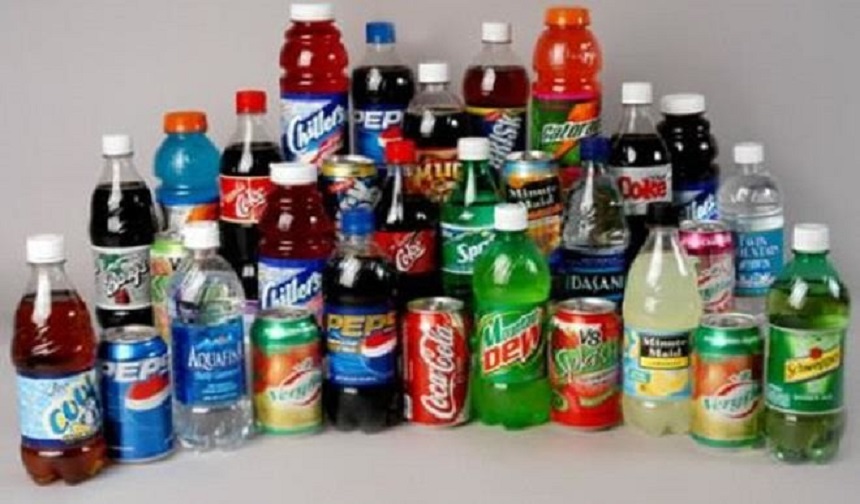
Manufacturers, primarily soft drinks and beverage makers, have temporarily heaved a sign of relief after President Bola Tinubu on Thursday ordered the suspension of a newly introduced 10 per cent tax on single-use plastics and excise duty on some locally manufactured products to reduce business costs.
The President’s spokesman, Mr Dele Alake, said yesterday that his boss signed executive orders suspending a green tax on single-use plastics, including plastic containers and bottles, that was introduced in March by the erstwhile administration of Muhammadu Buhari.
In May, the Manufacturers Association of Nigeria (MAN), at a press conference in Lagos, lamented the rising cost of doing business and raised issues about the Single Use Plastics tax, among other concerns.
According to its Director-General, Mr Segun Ajayi-Kadir, “We would also like to use this opportunity to reiterate our concerns about the Single Use Plastics tax.
“Our primary concern is that it does not appear to have a basis in law, as it is not provided for under the Customs, Excise, Tariff, etc (Consolidation) Act (CETA), unlike beverages and tobacco. The tax will also further fuel inflation and weaken consumer purchasing power without achieving the desired climate change objective.”
He noted that the association would deliberate with the incoming administration on the way forward, calling on it to “reverse the tax on Single Use Plastics and engage with relevant stakeholders to facilitate ongoing initiatives, which have a better prospect of achieving the desired environmental objectives.”
Nigeria is the ninth largest plastic polluter in the world and produces over 2 million tonnes of plastic waste annually, proponents have argued that the law would help cut down on this, but from the business angle, this would have reflected in an increment in the price of goods and could hurt their bottom line.
Mr Alake said the President also suspended the implementation of a five per cent telecoms tax first proposed by the previous government and stopped an increase in car import duty and excise duty on selected goods manufactured locally.
“As a listening leader, the president issued these orders to ameliorate the negative impacts of the tax adjustments on businesses and chokehold on households across affected sectors,” Mr Alake told reporters in Abuja.
There would be no further tax rises without wider consultations,” the former Lagos State Commissioner for Information and Strategy said, adding that President Tinubu would pursue business-friendly policies.
Related
Economy
Russia-Africa Summit: One More Opportunity for Raising Trade Collaboration 
Published
7 hours ago
on
July 7, 2023
By
By Professor Maurice Okoli
Russia holds an African leaders’ gathering this late July 27-28 in St. Petersburg, the second largest city in the Russian Federation. The summit is the highest historical profile and the largest-scale diplomatic landmark event in Russia’s bilateral relations with Africa. In our assessment of the emerging multipolar world, the majority of African states are swiftly aligning their policy orientation toward China and Russia.
Russian Ambassador-at-Large and Director of the Secretariat of the Russia-Africa Partnership Forum Oleg Ozerov, in an interview with Kommersant daily newspaper, explicitly explained that the summit is “envisioned by the Russian authorities, are intended to boost Moscow’s relations with African countries, contacts with which are currently deemed one of the most important aspects of Russia’s foreign policy.”
According to the diplomat, the summit will focus on general issues “concerning the formation of a multipolar world, a new fair architecture of relations based on the principles of sovereign equality of states, equal interaction based on their interests and international law, as opposed to the so-called ‘rules-based order’ promoted by Washington and its allies.”
Given that it is taking place during this tense global situation, it broadly aims at bringing about a fundamentally new level of beneficial partnership to meet the challenges of the 21st century. By this, Russia and Africa will open the second chapter, which defines the comprehensive cooperation between Russia and African nations across significant sectors ranging from politics, security, economic relations, science and technology to cultural and humanitarian spheres.
The first Russia-Africa summit was held in October 2019 under the Peace, Security and Development motto in Sochi. Russian President Vladimir Putin noted in an official statement: “Today, African countries are well on their way towards social, economic, scientific and technological development, and are playing a significant role in international affairs. They are strengthening mutually beneficial integration processes within the African Union and other regional and sub-regional organizations across the continent.”
Even though Russia is currently undertaking a ‘special military operation’ in neighbouring Ukraine, it still considers it necessary to invite African leaders to St. Petersburg. It is the original home of Vladimir Putin and indeed wanted to welcome Africans for a homecoming-friendly meeting for deliberations. Russia and Africa are bonded by history from the political independence struggle. Both share this little history. As widely known, Putin always expresses the highest affection for changing the situation and commitment to improving conditions for Africa’s estimated 1.4 billion population.
With the highest respect, he consistently reminds us that Russian-African relations are based on long-standing traditions of friendship and solidarity, created when the Soviet Union supported the struggle of African peoples against colonialism, racism and apartheid, protected their independence and sovereignty, and helped establish statehood and build the foundations of national economies.
In the views of many policy experts, both local and foreign, African leaders, trade organizations and corporate business executives have an extraordinary opportunity to design a well-timed strategy to take advantage of the growing market and to boost trade as a way to reverse considerably trade imbalance that has existed from Soviet days between Russia and Africa.
Within the global changes, there are equally good business perspectives for Russia and Africa, for instance, with trade facilitation and support for business enterprises, either small or medium, to seek cooperation in areas of new trade opportunities both in Africa and in the Russian Federation. For example, external countries have been showing massive interest in taking advantage of its emerging opportunities since the inception of the Africa Continental Free Trade Agreement (AfCFTA), which aims to create a single borderless market.
With steadily developing economic links, it’s a pleasure to underline that Russia and African states have a long history of relations. Therefore, importing coffee, cocoa, tea, citrus, sea products and many more from African countries could be important for Russia. Of course, it is necessary to recall from the first summit that both parties have mutually agreed to promote and raise export/import and to cooperate in investment spheres with Russian companies.
In light of Russia’s sanctions – the ban on imports of many types of European agricultural products – diversification of sources of such raw materials has become especially crucial, while import substitution in the country is only fledging. This presents an opportunity for strengthening trade with Asia and Africa. In the views of many, several African countries, such as Morocco, Kenya, and South Africa, have already started filling the niche; Russian market shelves are enjoying a surge in African vegetables and fruits, most of which used to be re-exported through the EU.
As far back as 2014, local African farmers and cooperatives expressed readiness to boost direct exports to Russia, bypassing European mediators. African countries can make a fortune by selling agricultural products to Russia. The overall trade volume between Africa and Russia has been deficient and highly skewed in favour of Russia. But interestingly, there are only a few African countries trading products in Russia’s market for multiple reasons, including inadequate knowledge of trade procedures, rules and regulations, and the changing market conditions. And there are many other obstacles hindering African trade with Russia that have been identified and discussed in many business conferences and seminars.
However, concrete measures to improve the situation must be thoughtfully implemented. There are existing key challenges from both sides. Russia and Africa have been experiencing a shortage of vital business information on doing business and the market environment, and this has, over the years, created a condition of uncertainty, misgivings and negative perceptions among prospective potential traders and investors.
As many have shown concern about these trends, one way is to create a mechanism for disseminating business and trade information that will enhance business interaction among African exporters and Russian importers.
In addition, African leaders have to cultivate business interest in organizing trade platforms and business missions to showcase their potential in the Russian Federation. Comparatively, Africa’s exports to the United States, European Union and even to India and China have been growing due to trade preferences, lower custom tariffs and other trade incentives made available to African exporters by these big-time players.
It is necessary to say that the United States offers various incentives through the African Growth and Opportunities Act (AGOA). China has also adopted similar measures to attract African exporters to its regions. In June 2023, Hunan province held its 3rd annual China and Africa Trade Expo and Exhibition.
According to market research and studies conducted by Markol Consultancy, a business research and policy advisory firm, African exporters have keen interests in the Russian market but need help getting their goods delivered on time to consumers in Russia. They know that the market potential is vast in both ways and further understand that Asian countries have comparative advantage trading with Russia regarding distance, transportation of goods and other infrastructure, including logistics and warehousing.
In an effort to boost Russia-African trade, there should be policy interventions, initiate trade platforms for Russians and Africans to participate in practical discussions on making trade policies more effective and offer import and export credit support for corporate traders to achieve noticeable results.
One of the key AfCFTA initiatives focuses on improving SMEs’ access to finance and markets to encourage their growth and contribution to Africa’s socio-economic development. Russia’s institutions can also provide financial services in areas such as agro-processing, automotive, pharmaceuticals, and transport and logistics – to small and medium enterprises (SMEs) in African countries.
Taking a glimpse at the trade volume between China and Africa, both regions have done so much for more than the past 20 years despite all the scepticism and criticism. It is commendable that African countries have made efforts to raise their trade volume dramatically to cut down the trade imbalance, given the Chinese government’s necessary trade incentives and lower customs duties.
As for ways to reverse the huge trade imbalance between Africa and Russia, I would like to make the following suggestion. Russian business people and investors could collaborate in infrastructure, manufacturing, strict quality control and packaging in Africa. China and India are doing these in Ethiopia, for example, and a few other countries.
Foreign Affairs Minister Sergey Lavrov has repeatedly stated in his speech to African diplomats that Russia was prepared to consider new initiatives to improve trade between the two regions. In May 2014, Lavrov wrote in his article: “We attach special significance to deepening trade and investment cooperation with the African States. Russia is ready to provide African countries with extensive preferences in trade.”
Russian Foreign Affairs Ministry has posted an official report on its website that “traditional products from least developed countries (including Africa) would be exempted from import tariffs. The legislation stipulates that the traditional goods are eligible for preferential customs and tariffs treatment.”
That is very understandable. Still, African trade has been minimal in the Russian Federation. And unbelievably, African trade figures with Russia are hard to find from both African and Russian sources. For trade relations between Russia and Africa to improve appreciably, granting trade preferences to African countries – for example, tax exceptions or reductions, among other measures. This can become a practical step to strengthen trade relations with Africa.
In addition, there should also be state support to bolster private African entrepreneurs’ efforts not only to raise their economic presence but also to facilitate making solid inroads into the Russian market. This can be beneficial to the entire Eurasian region. Russia is a member of the newly created Eurasian Economic Union (which constitutes a vast market and allows free movement of goods among member countries). The other members include Armenia, Belarus, Kazakhstan and Kyrgyzstan.
It is worth ending this article by mentioning the role of North-Eastern Federal University, which has educational partnerships and exchange programmes with a number of establishments in Asia and Africa, and the newly established Russian-African Club, a non-profit organization set up to support official efforts in building public opinion, as among the driving forces in the Russian policy of comprehensive partnership with Africa. Ultimately, there is a noticeably growing mutual cooperation between Africa and Russia.
Professor Maurice Okoli is a fellow at the Institute for African Studies and the Institute of World Economy and International Relations, Russian Academy of Sciences. He is also a fellow at the North-Eastern Federal University in Russia
Related
Latest News on Business Post
- NGX Index Surges to 63,040.87 points as Market Cap Hits N34.326trn July 8, 2023
- What Are The Most Popular Sports To Bet On In Nigeria July 7, 2023
- Soft Drink, Beverage Makers Heave Sign of Relief After 10% Plastic Tax Halt July 7, 2023
- Making DESOPADEC New Board Rewarding July 7, 2023
- NECA Urges Tinubu to Suspend Diesel Tax July 7, 2023
- Battle for Naija Super 8 Title Begins in Lagos July 7, 2023
- Spotify Updates ‘Journey of a Billion Streams’ Site July 7, 2023
- Russia-Africa Summit: One More Opportunity for Raising Trade Collaboration July 7, 2023
- Tinubu Appoints Oyedele to Lead Fiscal Policy, Tax Reforms Team July 7, 2023
- Zenith Bank Relishes Position as Number One Bank in Nigeria by Tier-1 Capital July 7, 2023
Like Our Facebook Page
Go to mobile version %d bloggers like this:
